The short answer is about 11 years across all dogs, with most pets landing somewhere in the 11 to 13 year range. The useful answer takes a little more work, because a single average hides the thing that matters most: a Chihuahua and a Great Dane belong to the same species, and one of them is going to live almost twice as long as the other.
Key facts
- All-breed median life expectancy: 11.23 years (VetCompass 2022 UK life tables, ~30,000 dogs)
- Size dominates: small breeds 12 to 16 years, medium 11 to 13, large 9 to 12, giant 7 to 10 years
- Mixed-breed dogs live about a year longer than purebreds of the same size
- Female dogs outlive males by roughly four months on average (VetCompass)
What the data actually says
The best modern number comes from the VetCompass 2022 UK life tables, published in Scientific Reports, which followed roughly 30,000 dogs across UK veterinary practices. The all-breed median life expectancy from birth was 11.23 years. That is a real, large-sample figure, and it is the cleanest number to quote when somebody asks how long dogs live.
The AKC’s general breed reference gives a similar overall range of 10 to 13 years, with the usual caveat that breed and size shift it dramatically. Older estimates used to sit closer to 10 years. The number has crept up over the past forty years, mostly because of better veterinary care, better nutrition, and earlier disease detection. A well-loved dog today gets a longer run than one born in 1985 did.
Most owners want one number. The honest pillar number is 11 to 13 years for a typical pet dog, with size pushing your specific dog up or down from there.
It helps to be specific about what “average” means here. The VetCompass median of 11.23 years is the age at which half of dogs in the sample had died and half were still alive. Mean lifespan in the same data set runs slightly lower, because a small number of very young deaths pulls the mean down faster than the median. For practical purposes the two numbers tell the same story, and median is the one to lean on when you want a representative dog.
Why size dominates the number
Across mammals, bigger species tend to live longer. Elephants outlast mice by decades. Within dogs, that rule inverts. The classic paper here is Greer et al. 2007 in Research in Veterinary Science, which found that within breeds and across them, larger body size tracks closely with shorter life. The leading explanation is growth speed. Giant breeds pack fifty times more growth into roughly the same first year, and that load seems to shorten the back end of the life curve. There is more on the mechanism in why small dogs live longer.
Practically, this is what the size paradox looks like:
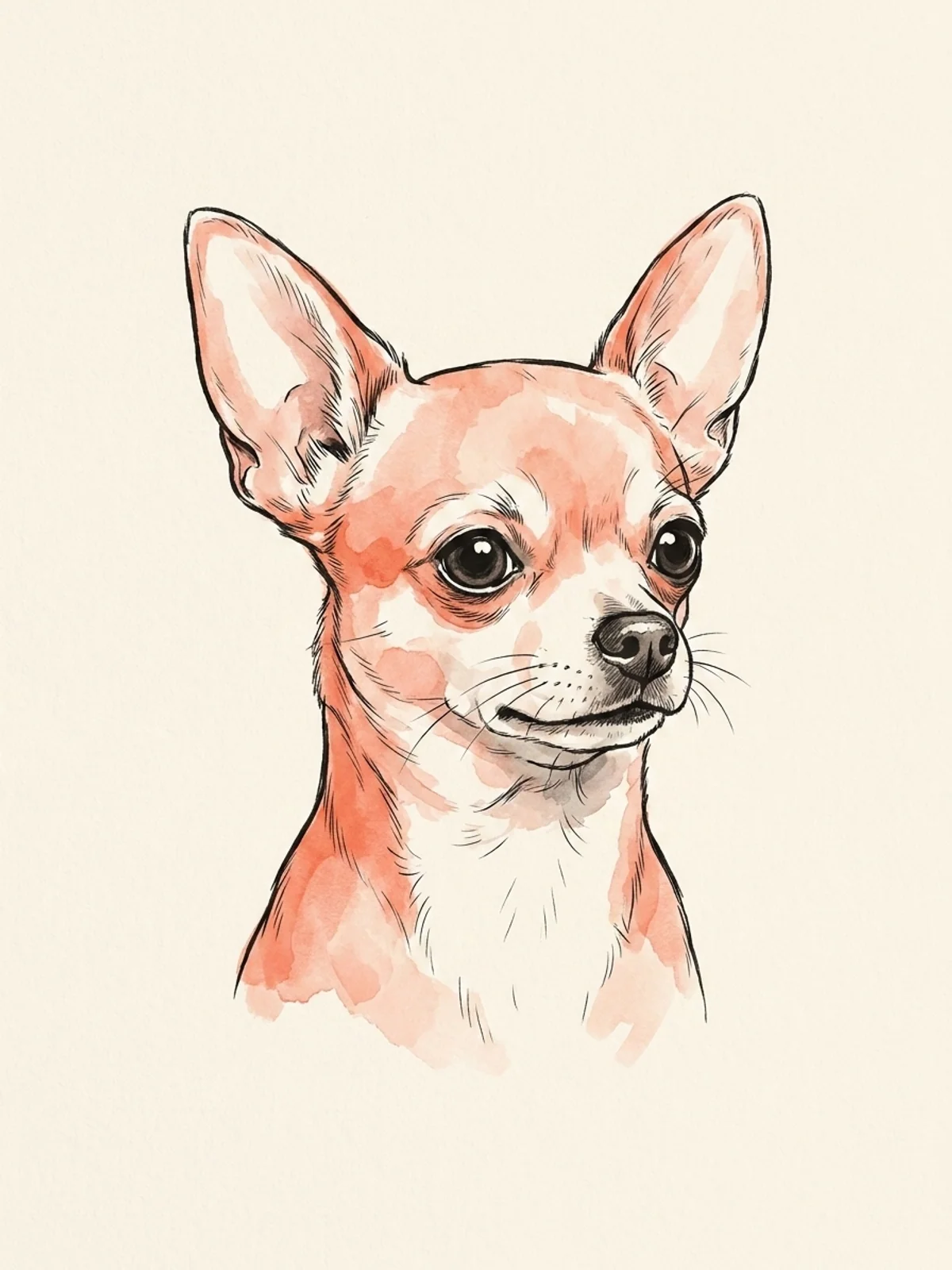
- Small breeds (under 10 kg): 12 to 16 years. A Chihuahua can reach 18.
- Medium breeds (10 to 25 kg): 11 to 13 years. Cocker Spaniels and Beagles sit here.
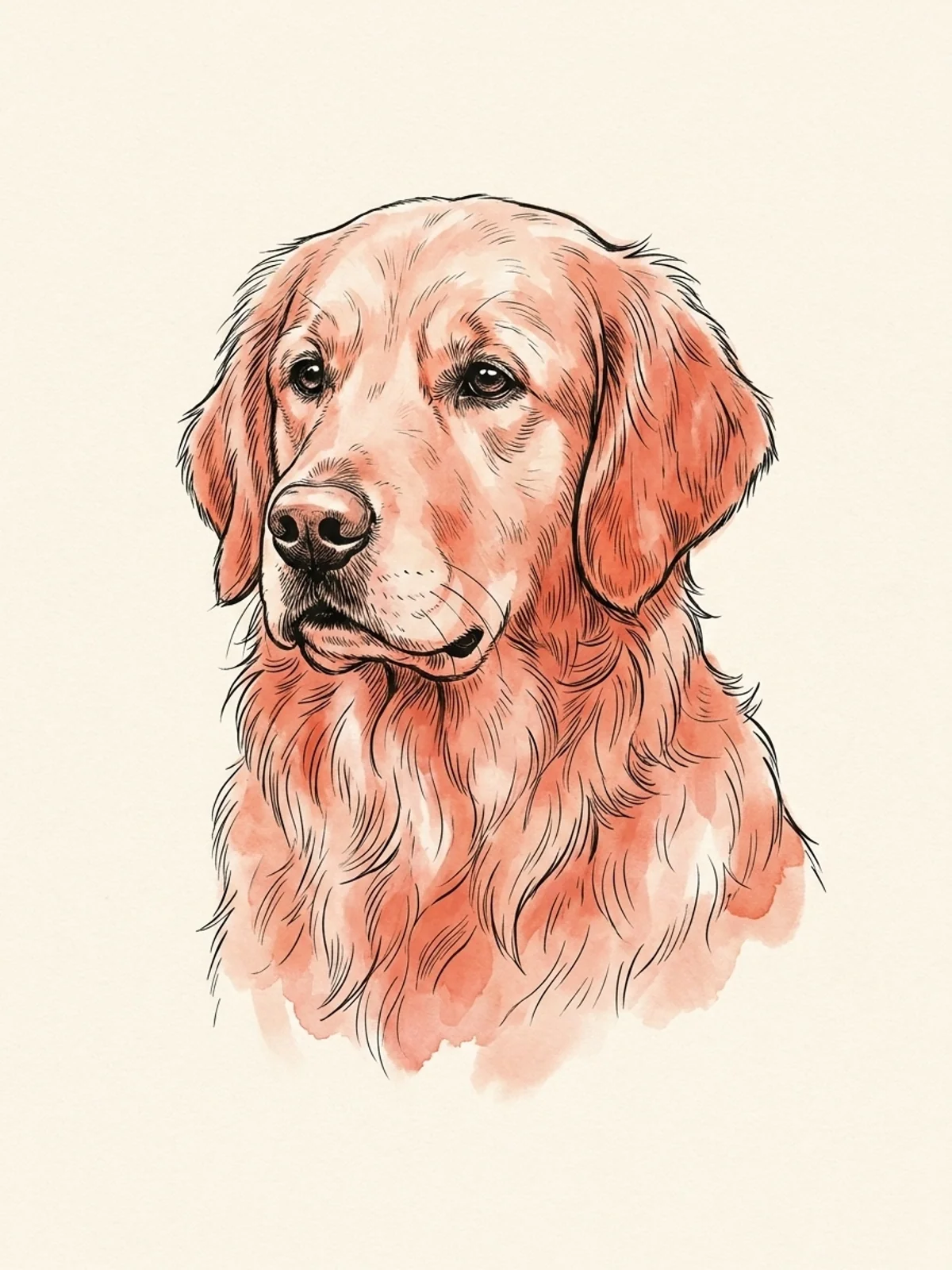
- Large breeds (25 to 45 kg): 9 to 12 years. Goldens and Labradors.
- Giant breeds (over 45 kg): 7 to 10 years. Great Danes, Mastiffs, Saint Bernards.
A six-year-old Chihuahua is barely an adult. A six-year-old Great Dane is already a senior. This is also why the multiply by seven myth gives such bad answers: it ignores the one variable that does most of the work.
What changes the average for an individual dog
Size is the big lever. A few other things move your specific dog inside the band the average implies.
Mixed-breed dogs live about a year longer than purebreds of the same size, on average. A summary by Companion Animal Psychology covers the studies behind that figure. The effect is small once you control for size, which is why size still matters more than pedigree.
Spay and neuter status, weight, and dental care all shift the number by months to a couple of years. Lean dogs outlive overweight dogs by a meaningful margin. Brachycephalic breeds (Frenchies, Pugs, Bulldogs) sit at the low end of their size class because of breathing-related problems. Working lines of large breeds, bred for function rather than show, often outlast their show-line cousins. None of these are huge effects on their own, but they stack.
The other thing that shifts the answer is how you define the average. Median life expectancy from birth (the VetCompass number) is lower than median life expectancy for a dog who has already made it to age two, because puppy and young-adult deaths drag the all-ages number down. If your dog is already three, their expected lifespan is a little better than the headline figure suggests.
Sex plays a smaller role than most people expect. Female dogs outlive males by roughly four months on average in the VetCompass data, a real difference but not one that changes how you plan care. Country also matters at the margins: dogs in countries with widespread preventive care and good nutrition trend higher than the global figure. The 11 to 13 year band is a UK and US number, and broadly representative of dogs in similar veterinary contexts.
How to use this number
If you came here for a single answer, take 11 to 13 years and stop reading. For most pet dogs in a normal home, that is the band the average sits in.
If you want a number that actually applies to your dog, you need the breed and the size class. A meaningful estimate for a Labrador is different from a meaningful estimate for a Shih Tzu, and an average that covers both is not useful for either. The breed pages on this site cover the common ones: the longest-living breeds cluster around small terriers and toys, the shortest-living breeds cluster around giants and a few brachycephalic dogs, and the middle is wide.
Knowing where your dog actually sits matters most for senior care timing. A giant breed should be on a senior-aware care plan by age five or six. A small breed often has not started thinking about it by then. Getting that timing right is worth more than chasing an extra decimal on the average.
See your dog’s real age with the calculator, which uses your breed’s size class to give you a number that is actually true for your dog.