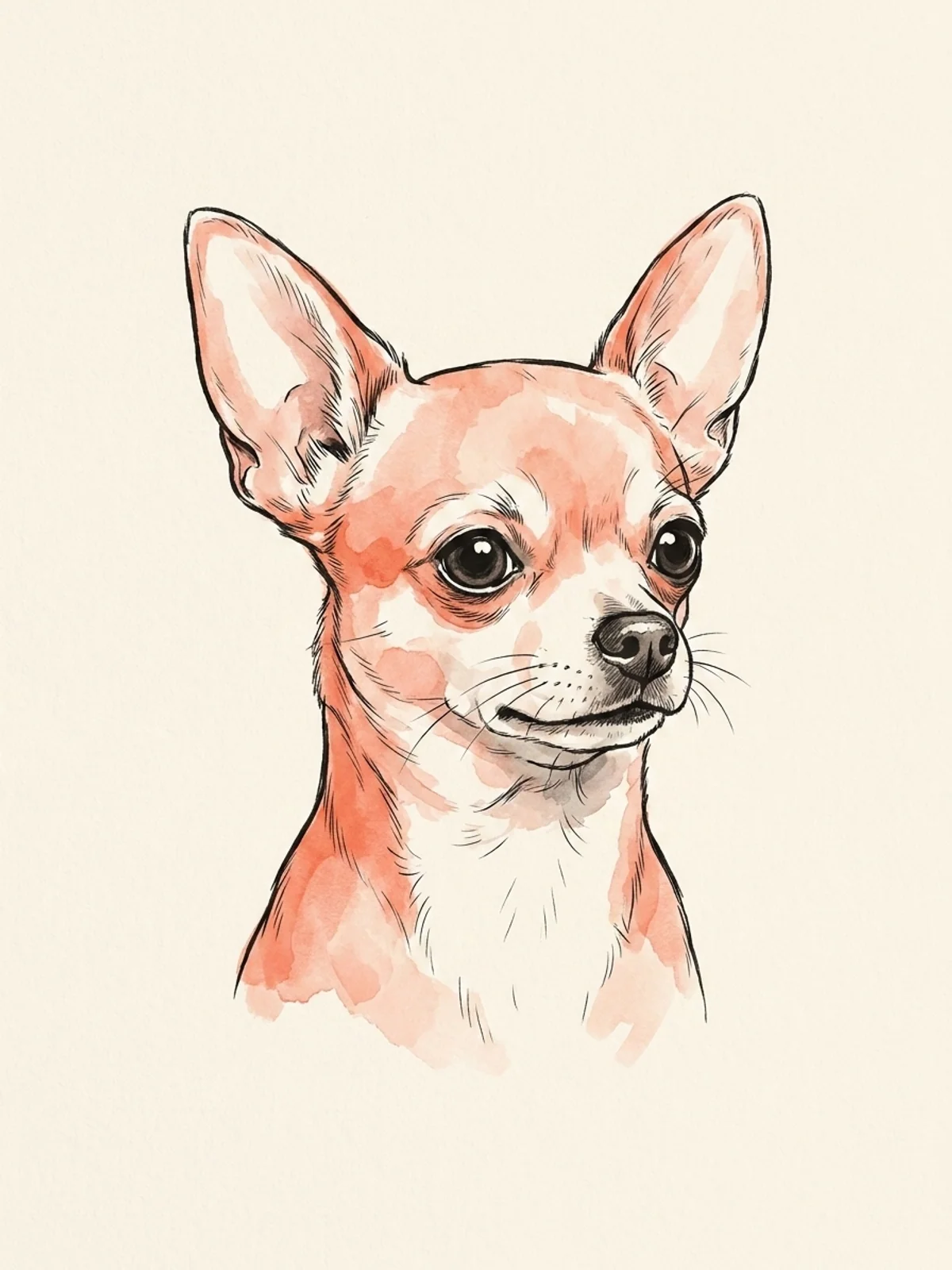
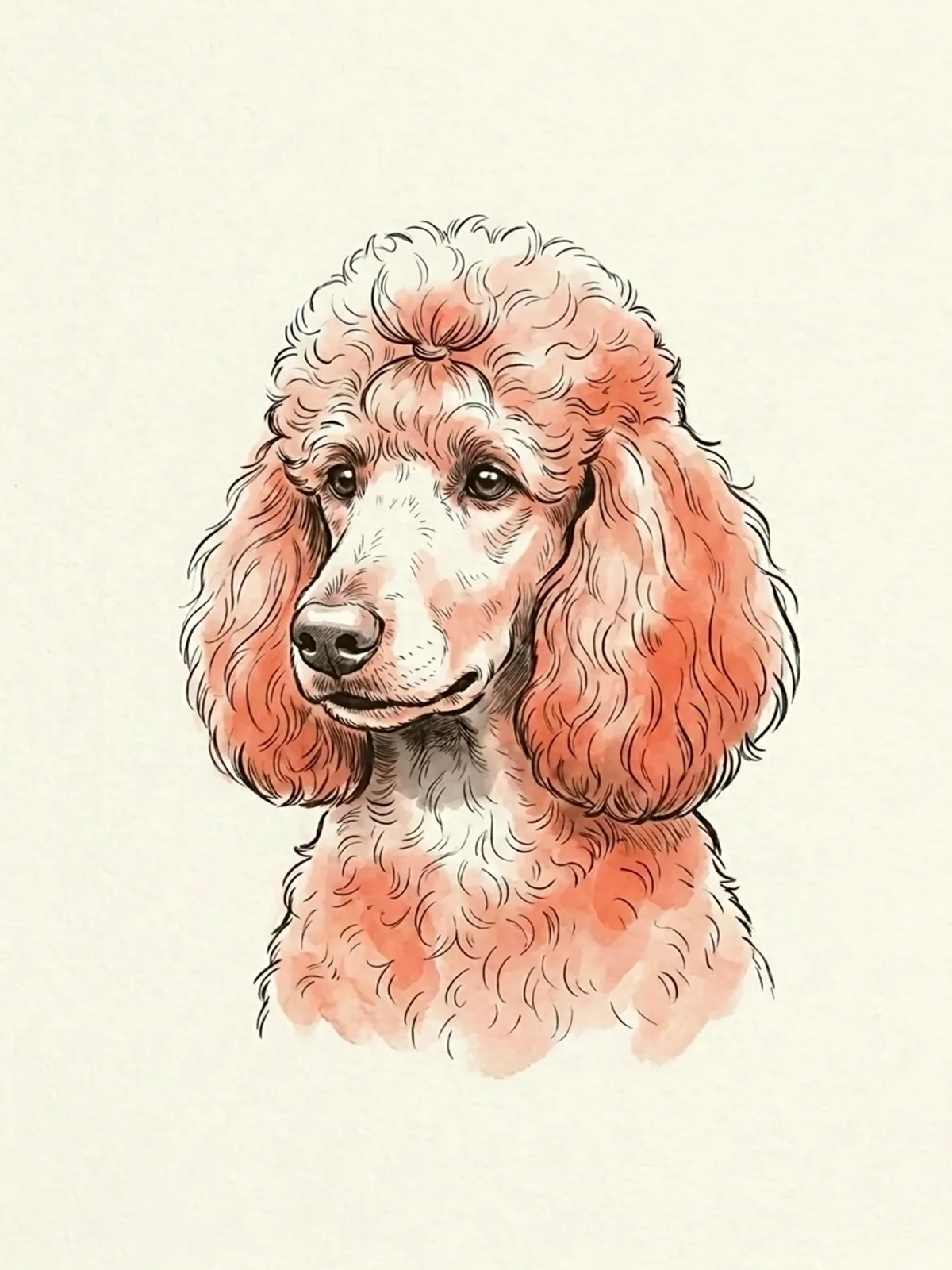
The oldest verified dog ever was Bluey, an Australian Cattle Dog from Victoria who lived 29 years and 5 months from 1910 to 1939 per Wikipedia’s reconstructed Guinness record. Bluey’s title was briefly handed to a Portuguese dog named Bobi in 2023, then quietly reinstated in 2024 when Bobi’s claimed age failed veterinary review. The point is that Bluey is the ceiling, not the average. The breeds that actually crowd the top of the lifespan distribution share one boring feature: they are small. A typical Chihuahua, Toy Poodle, or Jack Russell will spend 14 to 18 years with you, sometimes longer. The exceptions are interesting precisely because they are rare.
Key facts
- Oldest verified dog ever: Bluey, an Australian Cattle Dog who lived 29 years 5 months (1910 to 1939, Guinness record)
- All-breed UK life expectancy: 11.23 years (VetCompass 2022 life tables, 30,563 dogs)
- Clinical longevity leader: Jack Russell Terrier at 12.72-year median (VetCompass)
- Top owner-reported breeds: Chihuahua, Toy Poodle, Yorkshire Terrier at 14 to 18 years
- Mixed breeds outlive purebreds by about a year (12.8 vs 11.1 years)
How long the longest-living breeds actually live
UK life expectancy across all companion dogs is 11.23 years per the VetCompass 2022 life tables published in Scientific Reports. The breeds in this article all sit well above the ~11 year all-breed average. The Jack Russell Terrier topped that dataset at 12.72 years from age 0, with the Border Collie close behind at 12.1 and Springer Spaniel at 11.92. These are clinical medians, drawn from 30,563 dogs who died between 2016 and 2020.
Owner-survey data tells a different story. The AKC and breed-club figures consistently place small toy breeds higher, with Chihuahuas, Toy Poodles, and Yorkshire Terriers reported at 14 to 18 years. Both numbers can be true at once. Clinical datasets oversample dogs presenting with serious illness, while owner surveys are biased toward dogs who are doing well enough that owners keep responding.
The current “oldest living dog” title sits with Spike, a Chihuahua mix from Camden, Ohio, who was 23 years and 7 days old in December 2022 per Guinness World Records. The “oldest ever” record is Bluey’s. The two are often conflated. They are different titles measuring different things.
The breeds at the top of the distribution
These are the breeds most likely to push past 15 years, drawn from VetCompass clinical data, AKC breed-club figures, and Japanese cemetery records.
- Chihuahua (14 to 18 years). The smallest popular breed, and the one that produces oldest-living-dog records more often than any other. Spike at 23 and TobyKeith at 21 are not flukes. See our full Chihuahua lifespan guide for the cardiac and dental story behind the number.
- Toy Poodle (14 to 18 years). The Toy variety outlives Miniature and Standard Poodles, sometimes by years. One English cohort recorded a Toy at 19, per Dogster. Read more in our Poodle lifespan guide.
- Jack Russell Terrier (13 to 16 years, VetCompass median 12.7). The clinical VetCompass leader. Working-line genetics, narrow size variation, and a stubbornly healthy gene pool keep this breed near the top.
- Yorkshire Terrier (13 to 16 years). Reliable mid-pack longevity among toy breeds, with the usual small-breed dental caveat. Our Yorkshire Terrier lifespan guide walks through the trade-offs.
- Shiba Inu (13 to 16 years). Japanese cemetery records compiled by veterinary researchers placed the breed average at 15.5 years, the highest in the dataset. Small, lean, and bred for centuries with minimal extreme conformation.
- Dachshund (12 to 16 years). Variety matters. Miniature Dachshunds outlive Standards by a comfortable margin. See our Dachshund lifespan guide for the spinal-disease asterisk.
- Shih Tzu (10 to 16 years). Wide range. Healthy lines reach 14 or 15 routinely, though brachycephalic respiratory issues pull the lower bound down.
- Miniature Schnauzer (12 to 15 years). Often described as the healthiest of the schnauzer sizes, with pancreatitis and urinary stones as the main constraints.
- Beagle (12 to 15 years). The largest dog on most longest-lived lists. Beagles eat their way out of the top ranks more than any genetic factor decides.
- Australian Cattle Dog (12 to 16 years, with a 29-year ceiling). Bluey’s record skews public perception, but ACDs do hold up well into their teens when kept lean and worked.
Why these breeds outlive the rest
Size is the dominant variable. A Great Dane reaches fifty kilograms in about a year. A Chihuahua reaches two kilograms over the same window. The growth math behind that gap is laid out in why small dogs live longer than big dogs, and it remains the cleanest explanation we have for canine lifespan variation.
Genetic diversity is the second factor. A large necropsy review summarised by Companion Animal Psychology found mixed breeds outlive purebreds by about a year on average, with mongrels at roughly 12.8 years compared to 11.1 for purebreds in the PMC inbreeding study. The gap nearly disappears once you control for body size, which suggests the longevity advantage of mixed breeds is mostly a side effect of avoiding extreme conformation.
Conformation is the third factor, and it cuts both ways. Brachycephalic breeds (French Bulldog, Pug, Bulldog) sit at the bottom of the VetCompass table, with the French Bulldog at just 4.53 years. Breeds without those structural shortcuts, especially the working terriers and toy breeds with normal muzzles and unexaggerated frames, sit at the top. A normal nose buys years.
What owners of longer-lived breeds should still watch for
A 16-year lifespan is 16 years of opportunities to make decisions that compress or extend that window, not a free pass.
The dental finding holds across small breeds. Crowded jaws, calcifying plaque, and the gum-disease-to-heart-valve pathway are particularly relevant in Chihuahuas and Yorkies, where mitral valve disease is the dominant cause of death. Daily brushing from puppyhood and professional cleanings every 12 to 18 months is what good small-breed care looks like.
The lean-body-condition rule applies just as strictly to long-lived breeds. A Chihuahua at body condition score 6 is closer to a Chihuahua at 12 years than 16. Feed by lean weight, not by the bag.
Cardiac screening should start at age 7 for the toy breeds and continue annually. Mitral valve murmurs caught early open a treatment path that can buy years. Caught late, the conversation is shorter. The full set of evidence-based steps for extending your dog’s lifespan stacks on top of these breed-level habits.
And there is the question of when a long-lived dog actually becomes a senior. The answer is not “the same age as a Lab.” Our guide to when a dog becomes a senior by breed maps that timing across size classes.
The breeds at the top of the lifespan distribution are mostly small, mostly genetically varied, and mostly free of extreme conformation. None of those traits guarantees a long life on its own. Every year counts.
See your dog’s real age with the calculator, which uses your breed’s size class to give you a number that is actually true for your dog.