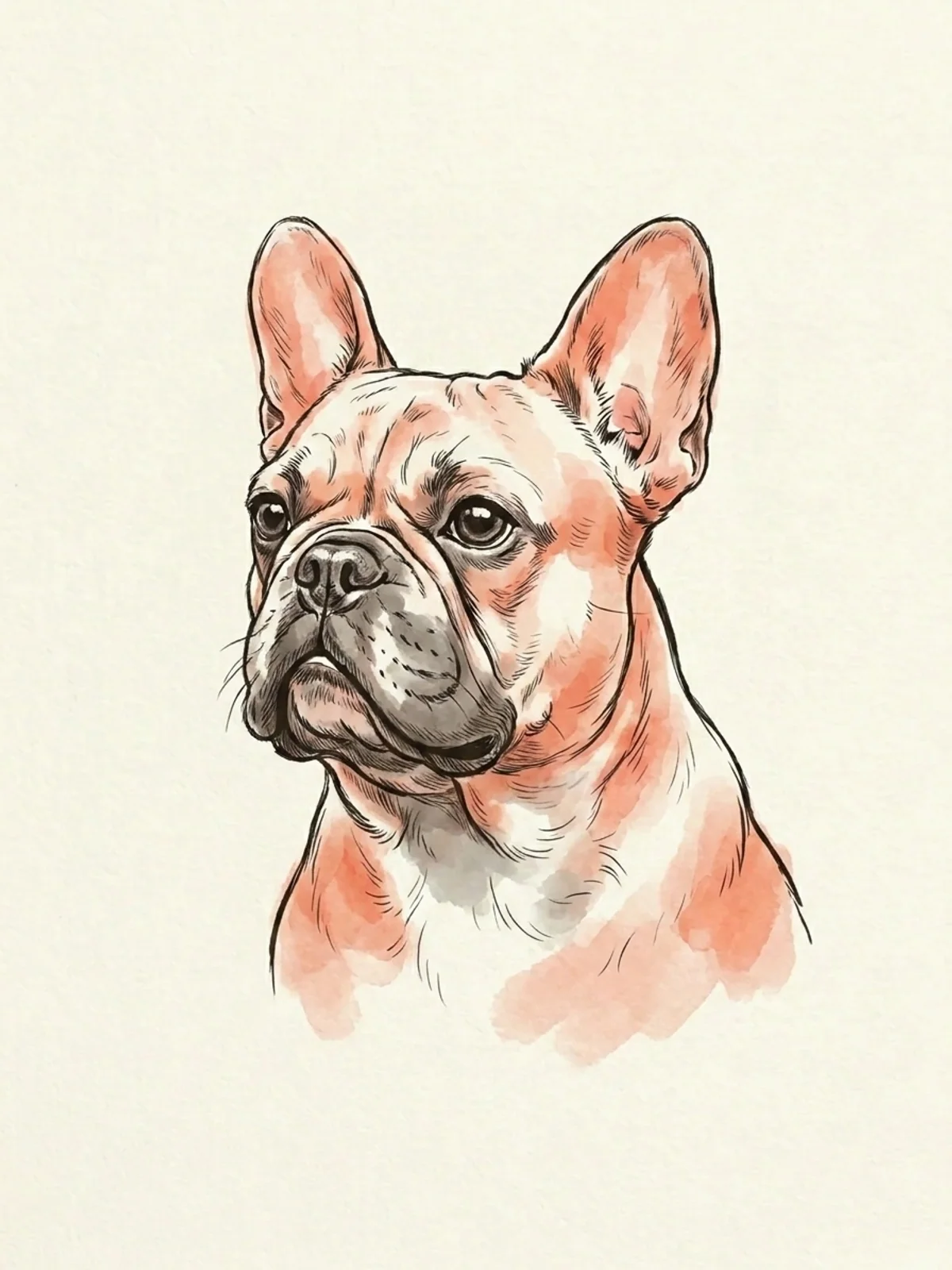
The shortest-lived breed in the most carefully controlled veterinary study ever conducted on canine longevity is the French Bulldog, with a life expectancy at age 0 of 4.53 years. That number sits inside a 95 percent confidence interval of 4.14 to 5.01 years, and it shocks most owners the first time they read it. The figure is real, but it is also a particular kind of real: it comes from primary-care UK clinical records, not from owner surveys or breed-club estimates, and clinical numbers run two to three years lower than the optimistic figures most breed pages publish. Knowing where your dog truly sits on this spectrum matters more than the average, because “average” hides everything that an attentive owner can change.
Key facts
- Shortest-lived breed: French Bulldog at 4.53 years (VetCompass UK life tables, 30,563 dogs, 2016 to 2020)
- All-breed UK life expectancy at age 0: 11.23 years; longest was Jack Russell Terriers at 12.72 years
- Bernese Mountain Dogs: cancer causes roughly 50% of deaths, with histiocytic sarcoma ~225 times more common than other breeds
- Irish Wolfhound: 91% probability of death by age 10 (Swedish insurance data)
- Three drivers: brachycephalic conformation, giant-breed growth rate, breed-specific cancer concentration
How short is short, and where the data comes from
There are two parallel universes of dog-lifespan numbers, and they disagree. Owner-survey and breed-club figures (often cited by the American Kennel Club) tend to be optimistic, pulled upward by attentive owners who report on dogs that lived long enough to be memorable. Clinical-record studies built from veterinary databases capture every dog, including the ones that died young of conformational or congenital problems. The gap between the two sources is typically two to three years for the most affected breeds.
The current authoritative reference for the short end of the curve is the VetCompass life tables published in Nature Scientific Reports by Teng and colleagues at the Royal Veterinary College. The study analysed 30,563 UK dogs that died between 2016 and 2020. The overall life expectancy at age 0 across all breeds was 11.23 years, the figure behind our guide to the average dog lifespan. French Bulldogs came in last at 4.53 years, English Bulldogs at 7.39 years, Pugs at 7.65 years, and American Bulldogs at 7.79 years per the RVC summary of the life-tables work. The longest, Jack Russell Terriers, reached 12.72 years.
These numbers shape the rest of this article. A French Bulldog from healthier conformational lines will outlive the 4.53-year average by years. But the breed-level signal is honest, and pretending it is not real does no owner any favours.
The ten shortest-lived breeds
The list below combines the UK VetCompass clinical data with US owner-survey figures and breed-specific cohort studies. Numbers are approximate averages, not ceilings.
- French Bulldog, 4.53 years (UK clinical) to 9 to 11 years (US owner-reported). Brachycephalic airway disease and IVDD dominate the picture per the VetCompass Frenchie disorder study.
- Caucasian Shepherd Dog, 5.4 years median in the same VetCompass dataset. A giant guardian breed with cardiac and orthopaedic concentration.
- English Bulldog, 7.4 years UK clinical, 8 to 10 owner-reported. Same brachycephalic load as the Frenchie, plus dystocia (the breed cannot reliably whelp without a Caesarean).
- Pug, 7.65 years UK clinical, 12 to 15 owner-reported. The Pug shows the widest gap between the two data sources of any breed.
- Bernese Mountain Dog, 7 to 8 years. Cancer accounts for roughly 50 percent of deaths, with histiocytic sarcoma uniquely concentrated in the breed, per the Bernese histiocytic sarcoma epidemiology review in PMC.
- Irish Wolfhound, about 6 to 8 years. Swedish insurance data placed the probability of death by age 10 at 91 percent per the Swedish Irish Wolfhound cardiorespiratory study in PMC.
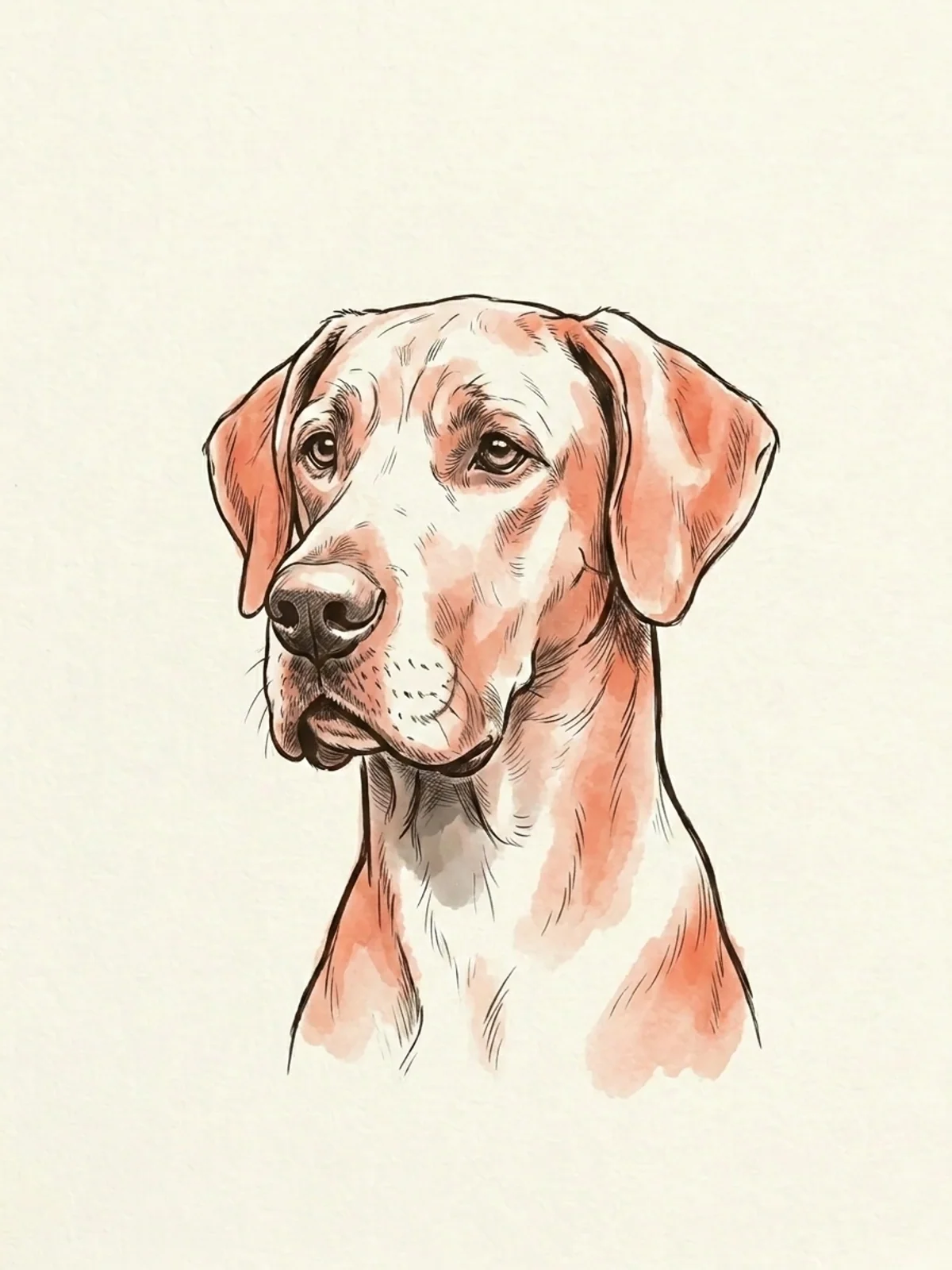
- Great Dane, 8 to 10 years per the AKC Great Dane life-span profile. Cardiomyopathy, bloat, and bone cancer drive the curve.
- Mastiff (English and Bullmastiff), 7 to 10 years. Cancer, cardiac disease, and orthopaedic decline.
- Saint Bernard, about 8 to 10 years, median 9.3. Heart disease and joint failure end most of them.
- Boxer, 8 to 10 years. Cancer, particularly mast cell tumours and lymphoma, plus a high rate of cardiomyopathy.
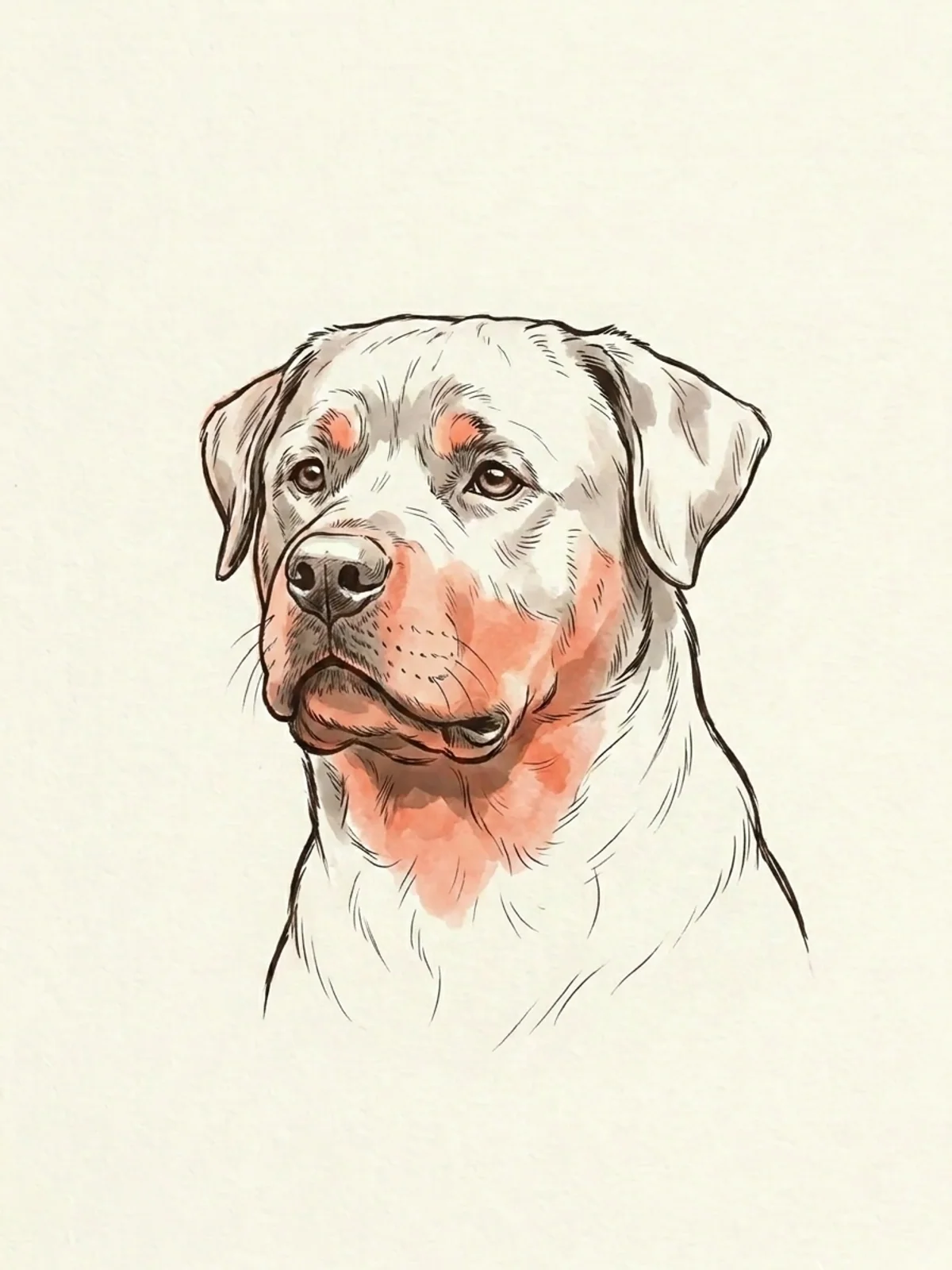
Two more breeds sit just outside the list: Rottweilers at 9 to 10 years (osteosarcoma) and Newfoundlands at roughly 9 to 10. Same family of problems.
Why these breeds die earlier
The list above is not a random collection. Three distinct mortality stories explain almost all of it.
The first is brachycephalic conformation. French Bulldogs, English Bulldogs, and Pugs all carry the same anatomical compromise: a skull selected to look flat-faced, with soft-tissue volumes that did not shrink to match. The result is chronic airway obstruction, poor heat tolerance, and elevated anaesthetic risk. The RVC brachycephaly and airway disorder study in PMC documented measurable airflow obstruction in the majority of brachycephalic dogs sampled, including dogs whose owners did not report any breathing problem. The breathing trouble is the lifespan trouble.
The second is giant-breed growth rate. Great Danes, Irish Wolfhounds, Mastiffs, and Saint Bernards grow from a one-pound puppy to a 70-kilogram adult in roughly eighteen months. That metabolic load is exactly the trade-off behind the size-lifespan inverse relationship across dog breeds. Faster cell division, more oxidative stress, and earlier exhaustion of the cardiovascular and skeletal systems are the mechanisms most often proposed. Cancer arrives sooner because the cells doing the building are the same cells that misfire.
The third is breed-specific cancer concentration. Bernese Mountain Dogs have a population-level rate of histiocytic sarcoma about 225 times higher than other breeds, with disseminated HS appearing in roughly a quarter of all Bernese deaths. Rottweilers carry the highest osteosarcoma odds of any breed. Boxers concentrate mast cell tumours and lymphoma. These are signatures of small founder populations and tight selection rather than bad-luck patterns, and they are heritable enough that pedigree itself is a useful screen.
What owners of shorter-lived breeds can do
None of this is a verdict on the breeds, or on the people who love them. A French Bulldog from grade-0 BOAS parents is a different dog than the breed average, and a Bernese from a breeder who actively tracks histiocytic sarcoma across the pedigree is a different dog than the cohort statistics suggest.
Four decisions reliably move the needle. Choose the right dog at the start, which means asking a breeder for health-testing records (BOAS grade for brachycephalics, OFA hip and elbow for giants, cardiac auscultation for breeds with congenital heart disease) and walking away when the records do not exist. Keep the dog lean across its whole life, because body condition score 4 or 5 on the 9-point scale is the single most reproducible longevity intervention in the canine literature. Time the surgical decisions carefully, particularly spay and neuter in large and giant breeds where breed-specific gonadectomy guidelines exist. And screen for trouble early, with baseline imaging from age six in cancer-prone breeds and annual cardiac checks in the heart-disease lines.
Owning a shorter-lived breed is a choice with a known shape. The dogs are loving, often spectacular companions, and the years they get are not lesser years. The full set of evidence-based steps for extending your dog’s lifespan applies with extra weight in these breeds. Every year counts.
See your dog’s real age with the calculator, which uses your breed’s size class to give you a number that is actually true for your dog.