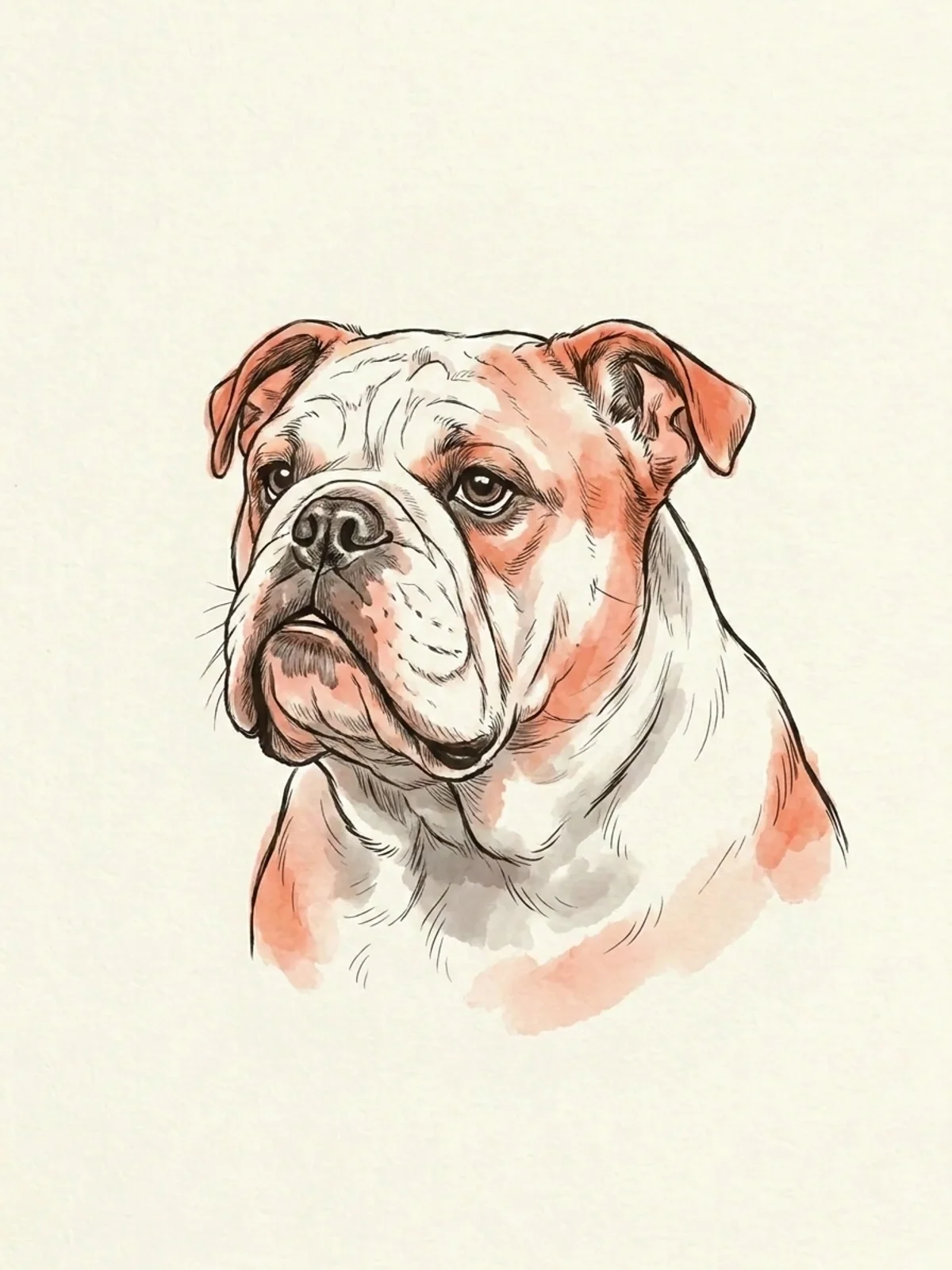
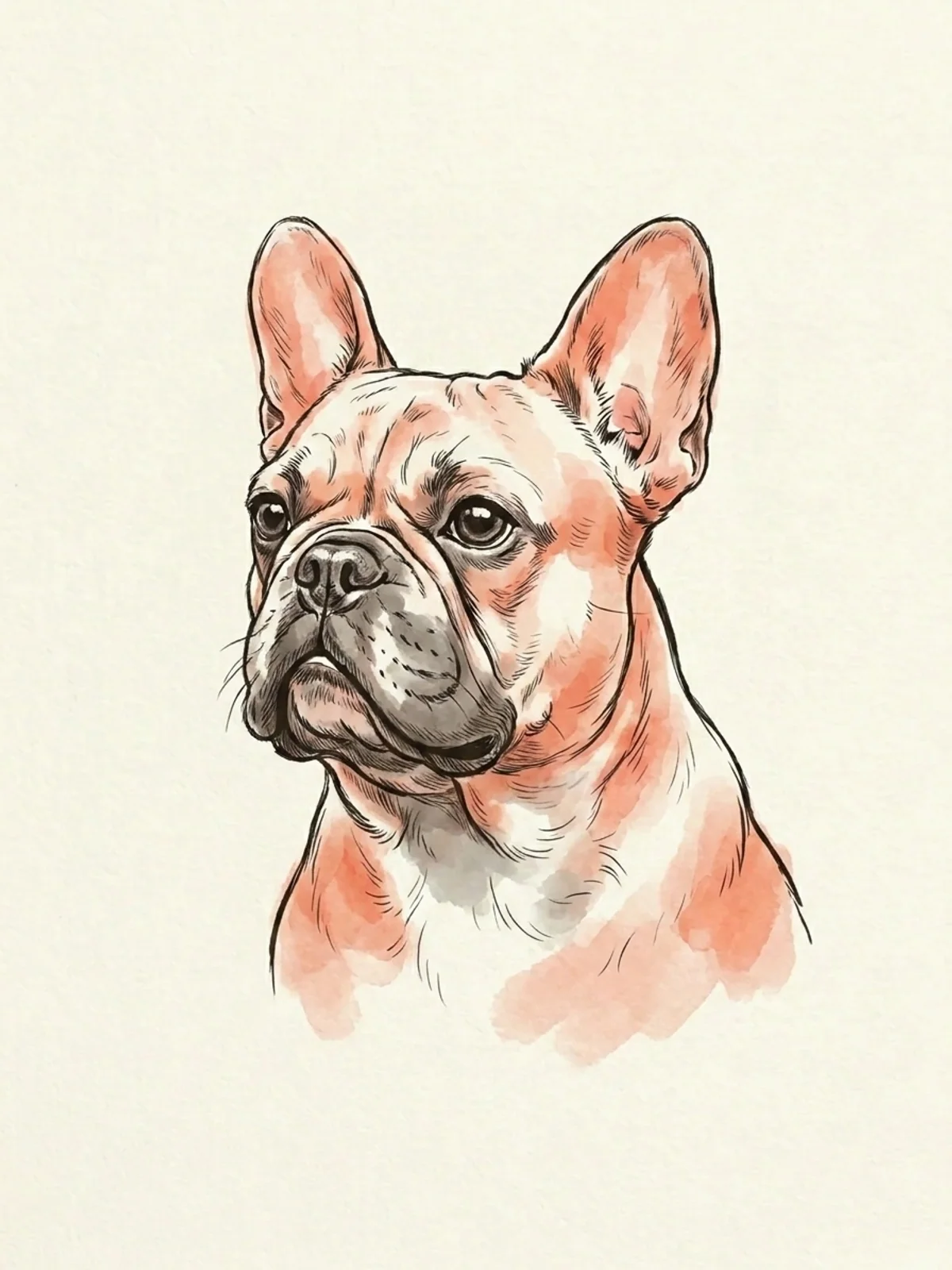
A note before anything else: this guide is about the English Bulldog, sometimes called the Old English Bulldog or British Bulldog. It is not about the French Bulldog, which is a different breed with a different lifespan profile and a separate guide on this site. With that out of the way: the American Kennel Club lists the Bulldog at 8 to 10 years, while UK veterinary records put the typical age at death closer to 7.4, well under the all-breed average of about 11 years. Both figures are real, and the gap between them is worth understanding before you decide what to do about it.
Key facts
- Typical lifespan: 8 to 10 years (American Kennel Club); 7.4-year median life expectancy in a 2019 VetCompass study (n=1,621)
- Primary health burden: BOAS airway syndrome, affecting roughly half of UK Bulldogs
- Hip dysplasia: above 70% prevalence in evaluated Bulldogs (OFA data), highest of any breed
- Leading cause of death at older ages: cancer, with lymphoma and mast cell tumours over-represented
How long Bulldogs actually live
The 8 to 10 year AKC range reflects what reasonably healthy Bulldogs in attentive homes tend to reach. It is a fair starting point, and a well-bred Bulldog kept lean and out of summer heat can land in the upper end of it. A few make it to 11 or 12. Owners who lose a dog at 9 are not having bad luck so much as meeting the breed average.
The UK clinical figure is harder. A 2019 VetCompass study from the Royal Veterinary College, looking at 1,621 Bulldogs in primary care, reported a median longevity of 7.2 years, lower in males than females. The follow-up VetCompass life-tables paper put life expectancy at age zero around 7.4 years. The disparity with the AKC number is partly methodological: clinical samples include sick dogs, dogs from less careful breeders, and dogs whose owners did not have the budget to manage chronic disease. The 7.4 figure tells you the floor a typical UK Bulldog falls through. The 10-year figure tells you the ceiling a careful one can reach. Most dogs end up somewhere in between, and the variables that decide where are not mysterious.
The brachycephalic burden
The defining health problem of the modern Bulldog is the shape of its skull. Brachycephalic Obstructive Airway Syndrome, or BOAS, is the syndrome that follows from packing a normal volume of soft tissue, an elongated soft palate, a thick tongue, narrowed nostrils, into a foreshortened face. The Cambridge BOAS Research Group has spent over a decade documenting it, and the picture is consistent across studies. A Bulldog that snores at rest, struggles to walk on warm days, or gags after exercise is showing the audible symptoms of mechanical airway obstruction. That snoring is the sound of a dog working harder to breathe than a dog should have to.
Estimates vary, but Cambridge’s clinical work suggests roughly half of UK Bulldogs show clinically significant BOAS at some point in life, and a substantial fraction need surgical intervention, typically combined soft palate resection, nostril widening, and removal of everted laryngeal saccules. Surgery measurably improves quality of life. It does not change the underlying conformation, and dogs who have had one BOAS procedure sometimes need a second. The 19th-century bull-baiting Bulldog, by contrast, was an athletic working dog that could run. The breed lost that body over a century of selection for an extreme look, and the cost shows in the airway. Norway’s high court briefly banned breeding of the Bulldog in 2022 on welfare grounds, a decision later softened but still useful as a marker of how seriously some regulators view the situation.
Other major Bulldog health risks
The breathing is the headline, but Bulldogs carry several other significant risks worth naming clearly.
Cancer is the largest single cause of death in the breed at older ages, with lymphoma and mast cell tumours both over-represented compared to the general dog population. Hip dysplasia is close to universal. The Orthopaedic Foundation for Animals and the PMC review of OFA data put dysplastic-hip prevalence in evaluated Bulldogs above 70 percent, the highest of any breed in the database. Most Bulldogs cope with abnormal hips for years, but pain management and weight control become central by middle age.
Heat is the acute risk to watch for. A Bulldog cannot cool itself by panting the way a normal-faced dog can, and heat stroke in this breed kills quickly. Summer exercise should happen in the cool of morning or evening, and there is no walk worth taking on a 28-degree afternoon. Skin folds and the tail pocket need cleaning to prevent infection, ears need attention, and the breed has higher rates of cherry eye, dry eye, and entropion. A good Bulldog vet bill is not small.
What actually extends a Bulldog’s life
The variables an owner controls are the same ones that show up in every breed-longevity conversation, weighted toward what matters most for this dog, and the general principles of extending a dog’s lifespan all apply here too.
Weight is first. An overweight Bulldog stresses an already-compromised airway, loads dysplastic hips, and shortens its life by a measurable margin. Body condition score 4 or 5 of 9, ribs easily felt under a light fat cover, is the operating target. Feed by the dog, not by the bag.
Choose the right dog at the start if you can. Breeders selecting for slightly longer muzzles, wider nostrils, and athletic body type are producing Bulldogs that look like Bulldogs and breathe meaningfully better. Ask for the parents’ BOAS grading from the Cambridge functional test. A puppy from grade 0 or 1 parents has a different lifetime risk profile than one from grade 2 or 3 parents sold under the same breed name.
Manage heat as a constant. Air conditioning in summer, cool floors, water always available, no exercise above roughly 22 degrees Celsius. Carry the dog up stairs once it shows stiffness. Treat BOAS symptoms early rather than waiting for crisis. Get pet insurance before the first health event, not after. A Bulldog that survives to 8 or 9 in reasonable condition often goes gently from there, and the years before the decline are good ones if you spend them well.
See your Bulldog’s real age with the calculator, which uses the medium breed curve to give you a number that is actually true for your dog.