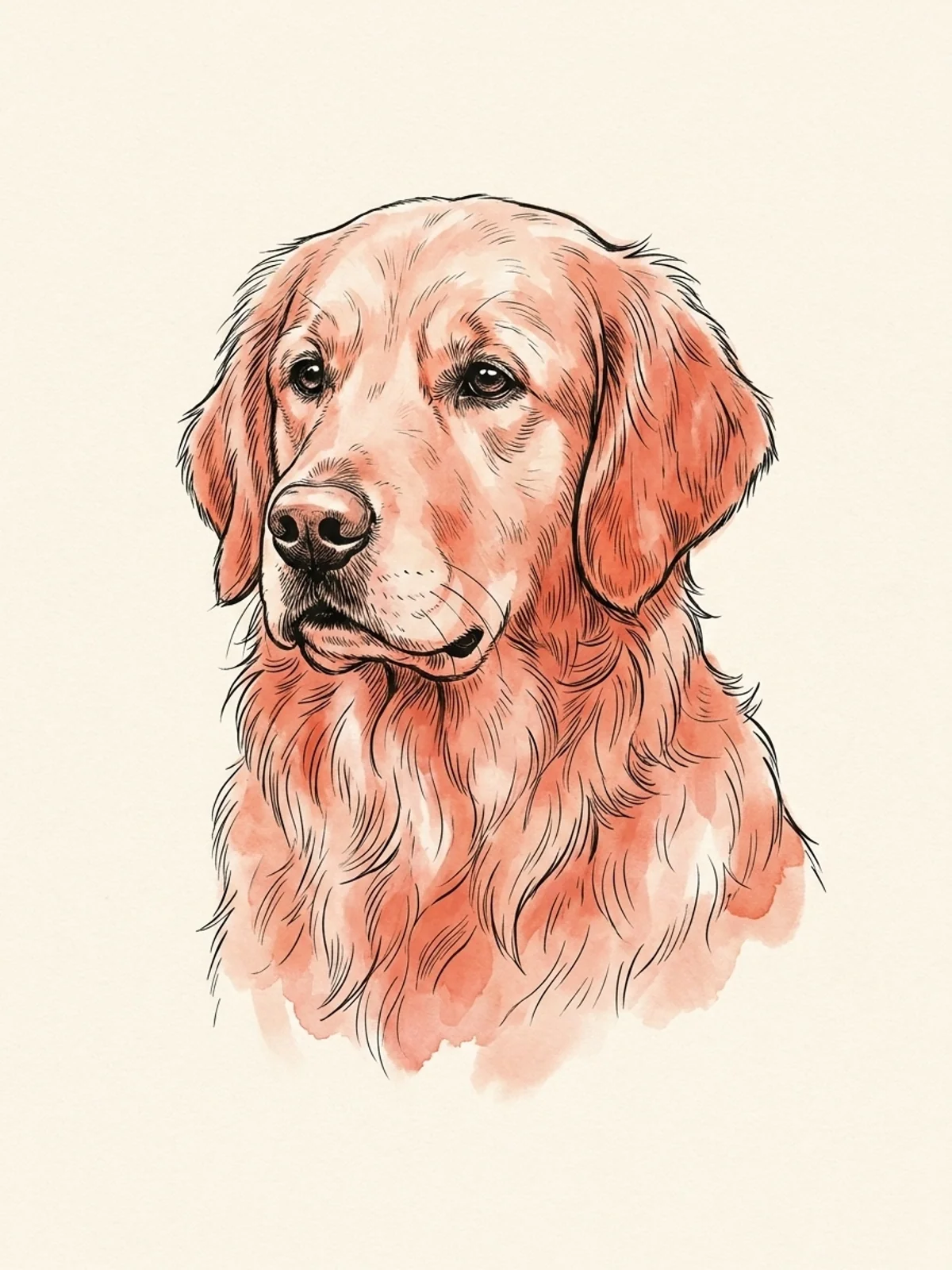
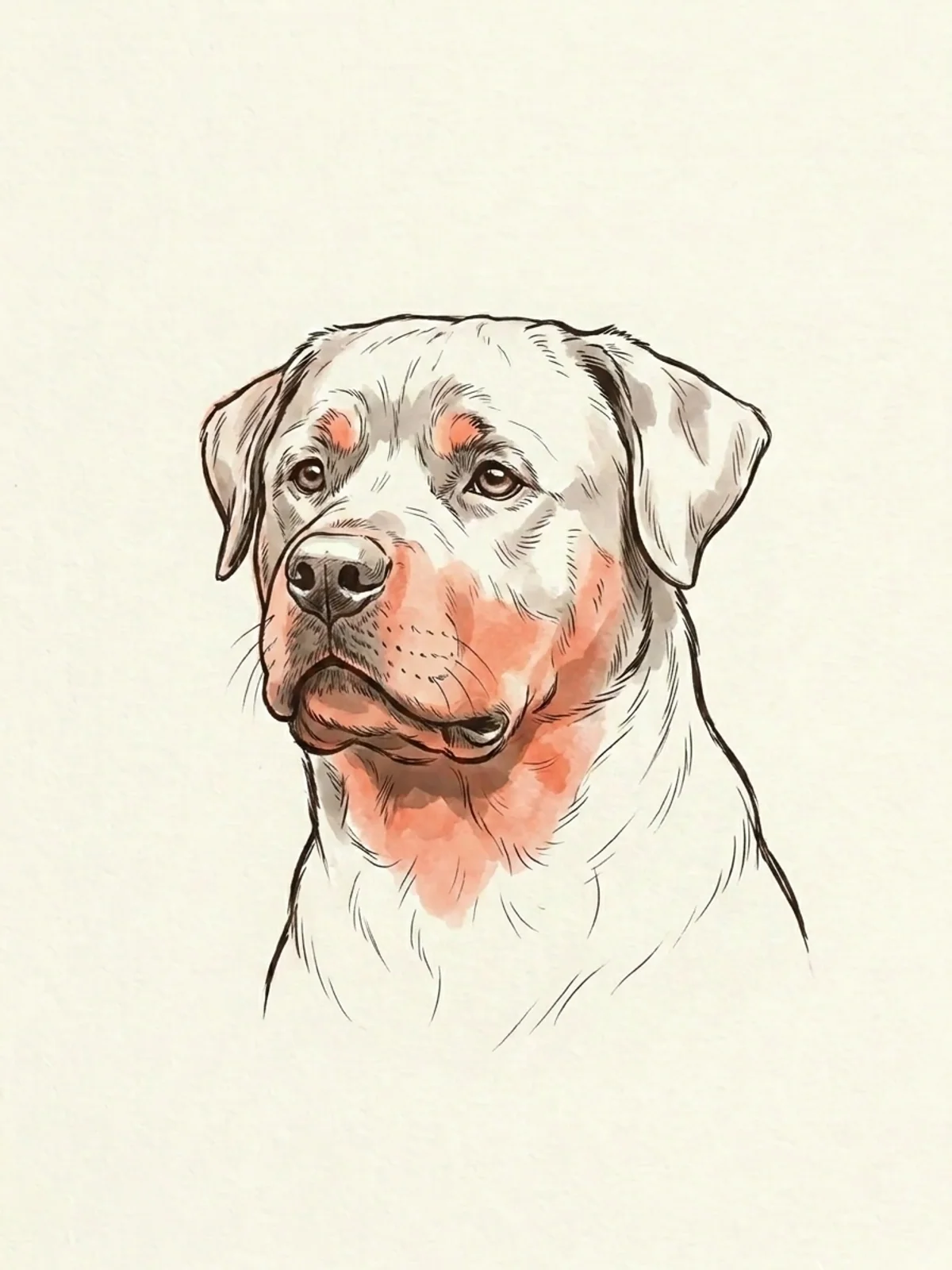
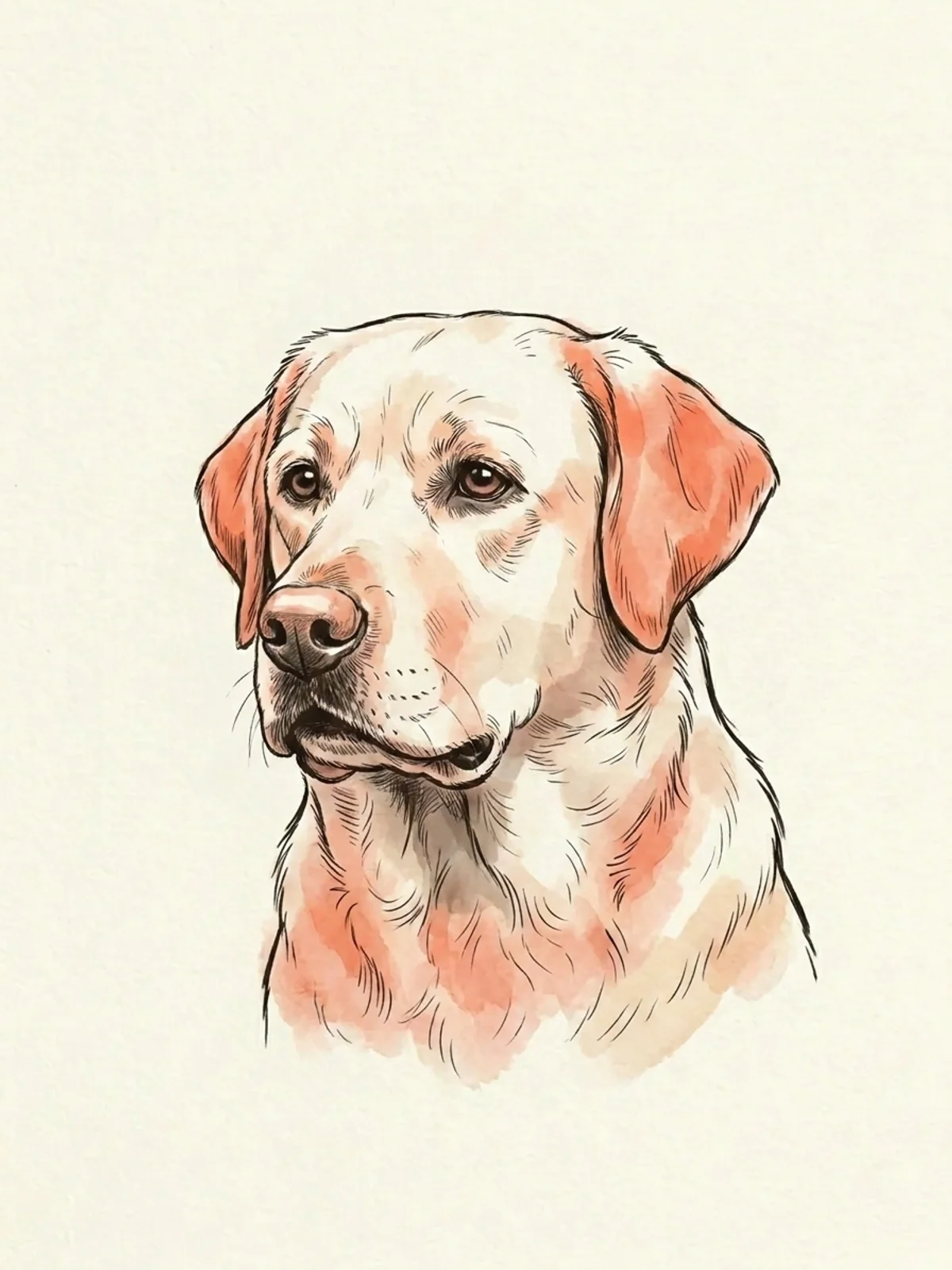
About one in four dogs is diagnosed with cancer in its lifetime, and it is the leading cause of death in dogs past middle age, per the Flint Animal Cancer Center at Colorado State University. But the all-breed figure hides an enormous spread. Cancer accounts for roughly 27 percent of deaths in the average dog and 60 to 75 percent in a Golden Retriever. A Golden owner is signing up for very different odds than a Chihuahua owner. The breed averages also hide a finding that surprises most people: mixed-breed dogs get cancer noticeably less often than purebreds, with VetCompass at the Royal Veterinary College reporting a 1.2 year lifespan advantage for crossbreds. Against the all-breed average lifespan of about 11 years, the high-cancer breeds lose two to four years to disease. The numbers below drive what you should screen for and when.
Key facts
- About 1 in 4 dogs is diagnosed with cancer; it is the top cause of death past middle age (Flint Animal Cancer Center)
- Cancer mortality ranges from ~27% (all-breed average) to 60 to 75% in Golden Retrievers
- Highest-risk breeds: Flat-Coated Retriever (~50%), Golden Retriever (60 to 75%), Bernese Mountain Dog (histiocytic sarcoma up to 64% of cancers)
- Rottweilers carry the highest osteosarcoma odds ratio: 26.67 times the crossbreed rate (VetCompass)
- Boxers are diagnosed young, at a median 6.2 years (3,000-dog screening-age study)
How common cancer is, and which cancers dogs get
Cancer is common in dogs and gets more common with age. The Flint Animal Cancer Center puts the lifetime diagnosis rate at about one in four dogs across all breeds, rising sharply past middle age.
Four cancer types do most of the damage. Lymphoma accounts for up to 24 percent of all new canine cancers per the Flint Animal Cancer Center, which makes it the single most common malignancy. Mast cell tumours are the most common skin cancer. Osteosarcoma is the most common bone tumour, responsible for about 85 percent of skeletal cancers. Hemangiosarcoma, a cancer of blood-vessel linings that strikes the spleen and heart, rounds out the group and is the one most likely to kill with no warning.
Which of those four a breed is prone to is mostly a function of size and ancestry. Giant breeds skew toward osteosarcoma because bone cancer tracks adult bone mass and growth-plate stress. Retrievers skew toward hemangiosarcoma and lymphoma. Boxers and other short-faced breeds skew toward mast cell tumours. The breed you own changes the odds of each.
How cancer mortality is actually measured
The cleanest numbers come from necropsy studies, where a board-certified pathologist examines every dog at death and assigns a cause. The widest numbers come from owner surveys, which catch dogs who died at home without a workup. Insurance-claims data sits in the middle and skews young because insured dogs trend younger.
The most reliable Golden Retriever figure, 65.0 percent cancer-related mortality, comes from a 652-dog necropsy series published on PMC. The Morris Animal Foundation Golden Retriever Lifetime Study tracks more than 3,000 dogs prospectively and reports cancer in 60 to 75 percent of deaths in its current cohort. When two methodologies converge on a range like that, the number is real.
UK-wide breed comparisons use VetCompass, which pulls from primary-care veterinary records across a representative cross-section of British practices. The VetCompass review of osteosarcoma and parallel work on hemangiosarcoma give the most population-grounded breed odds ratios currently available outside of insurance datasets.
The breeds with the highest cancer rates
Eight breeds carry consistently elevated cancer mortality across methodologies. The order shifts slightly between studies but the membership does not.
- Flat-Coated Retriever. Around 50 percent of Flat-Coated Retrievers die of cancer, with histiocytic sarcoma alone responsible for 20 percent of all deaths in the breed per the UK cohort mortality study. Soft-tissue sarcoma accounted for 44 percent of all neoplasms in that series. No other breed concentrates this much mortality on a single cancer type.
- Golden Retriever. Cancer is responsible for 60 to 75 percent of Golden Retriever deaths per Morris Animal Foundation, with hemangiosarcoma, lymphoma, osteosarcoma, and high-grade mast cell tumours as the four headline diseases. See our Golden Retriever lifespan guide for the long version.
- Bernese Mountain Dog. Up to 25 percent of Bernese Mountain Dogs develop histiocytic sarcoma, and histiocytic malignancy accounts for as much as 64 percent of all cancers in the breed per the PMC epidemiology and genetics review. Bernese Mountain Dogs are roughly 225 times more likely to develop histiocytic sarcoma than the general dog population.
- Rottweiler. Rottweilers carry the highest osteosarcoma odds ratio of any breed, at 26.67 times the crossbreed rate per VetCompass. The Cooley et al. Purdue cohort study found 82 percent cancer mortality in Rottweilers with usual longevity. See our Rottweiler lifespan guide for the screening protocol.
- Boxer. Boxers have the highest breed-specific prevalence of mast cell tumours at 1.95 percent per the PMC English mast cell tumour epidemiology study, and they are diagnosed with cancer at a median age of just 6.2 years per the 3,000-dog screening-age study on PMC, younger than almost any other breed.
- Scottish Terrier. Scottish Terriers carry an 18 to 20 times increased risk of transitional cell carcinoma of the bladder compared to the general dog population per the JAVMA dietary vegetable study. Obese female Scotties exposed to lawn insecticides face 28 times the risk of an unexposed normal-weight dog.
- French Bulldog. A 2026 German Frenchie health survey put the mean age at death at 8.3 years, with cancer responsible for 47 percent of deaths per PMC. The number is higher than most owners expect for a small breed.
- German Shepherd. German Shepherds face an odds ratio of 4.17 for visceral hemangiosarcoma per the ScienceDirect Lazio case-control study, one of the highest of any breed for that specific cancer.
Are Labradors, German Shepherds, and Boxers prone to cancer?
The popular breeds split into two very different stories. Labradors are not especially cancer-prone for their popularity, German Shepherds carry a specific and serious hemangiosarcoma risk, and Boxers get cancer early.
Labradors. Despite being the most-registered breed for decades, Labradors do not sit among the highest-cancer breeds. Cancer accounts for roughly 31 percent of deaths, near the all-breed band, per the longitudinal data cited in our Labrador Retriever lifespan guide. Hemangiosarcoma is the cancer to watch in older Labs, but the breed’s general robustness keeps its overall figure well below a Golden’s. Owning a Lab is not a high-cancer decision the way owning a Golden or a Bernese is.
German Shepherds. The German Shepherd risk is concentrated, not diffuse. The breed’s standout danger is visceral hemangiosarcoma, with the Lazio case-control study putting the odds ratio at 4.17 against the general population. That cancer hides in the spleen and heart and often presents only as sudden collapse from internal bleeding, which is exactly why abdominal screening matters for this breed.
Boxers. Boxers are genuinely cancer-prone, and the distinctive feature is timing. They carry the highest breed-specific mast cell tumour prevalence at 1.95 percent per the English epidemiology study, and the screening-age study records a median cancer-diagnosis age of 6.2 years. A Boxer that develops a new skin lump at age four is not an outlier. Lymphoma and brain tumours also run high in the breed.
Why some breeds get cancer more
The simple reason is genetics, and the genetics trace to how modern breeds were built. Most pedigree breeds passed through a founder population of a few dozen dogs in the late 19th century, which compressed genetic diversity in ways that elevated certain cancers to breed-defining frequencies.
In Golden Retrievers, the Morris Animal Foundation Lifetime Study has identified a variant of the HER4 gene that predicts a 13.5-year lifespan versus 11.6 years for non-carriers. That is a two-year delta from a single gene in a breed where two years is most of the gap between average and exceptional. Bernese Mountain Dogs carry founder variants that drive their histiocytic sarcoma rate to the 225-fold range above general dogs. Scottish Terriers have two loci, identified by the AKC Canine Health Foundation TCC mapping project, that concentrate their bladder cancer risk.
Body size is the other major driver. Large and giant breeds dominate the osteosarcoma list because bone cancer correlates strongly with adult bone mass and growth-plate stress. The same size effect runs the opposite direction for total lifespan, which is part of why small breeds appear lower on cancer-mortality lists even when their cancer incidence per dog-year is not always lower. See why small dogs live longer for the size-lifespan story.
Heterozygosity, the technical term for genetic diversity within an individual dog, matters too. The PMC analysis of size and genetic diversity found each one percent increase in median heterozygosity added 31 days to predicted lifespan. Crossbreds sit higher on this scale by definition, which is the cleanest explanation for the 1.2-year crossbred lifespan advantage VetCompass reports.
What this means for owners
The breed-mortality numbers should change what you screen for and when, not whether you get the dog. The expected lifespan and quality of life still favour going ahead with most of these breeds, especially when owners use the numbers to act earlier.
Screening timing should track the breed. The 3,000-dog screening-age study recommends annual cancer screening for every dog from age seven, and as early as age four for breeds that get diagnosed young, like the Boxer at a 6.2-year median. For Golden Retrievers, Rottweilers, and Bernese Mountain Dogs, baseline imaging by age six is the most important decision: chest radiographs, abdominal ultrasound, and a complete blood panel catch splenic masses and bone lesions while interventions still matter. For German Shepherds, the same abdominal ultrasound is the screen that catches a splenic hemangiosarcoma before it ruptures. For Boxers, palpate the skin monthly and biopsy any new mass over a pea. For Scottish Terriers, urinalysis with cytology at the annual visit from age six on.
Beyond breed-specific screening, the general principles of extending a dog’s lifespan apply with extra weight on lean body condition. Body condition score 4 or 5 on the 9-point scale is the target across breeds. Lean body condition shifts every one of these numbers in the favourable direction. The signal is small in any given month and enormous over a lifetime. Every year counts.
See your dog’s real age with the calculator, which uses your breed’s size class to give you a number that is actually true for your dog.