There is no single age when a dog becomes a senior. The honest answer is that it depends on body size, and it depends on it strongly. A toy-breed Chihuahua is barely middle-aged at 8. A Great Dane that age is already past its senior threshold and into geriatric territory. Same species, completely different timelines. The veterinary profession has settled on a four-tier size-class framework precisely because one number cannot cover a 6-pound dog and a 160-pound dog. The 2023 AAHA Senior Care Guidelines for Dogs and Cats define senior as roughly the last 25 percent of a dog’s expected lifespan, which is why the threshold slides from the early teens for tiny dogs down to the mid-single digits for the largest.
Key facts
- Senior is defined as roughly the last 25% of expected lifespan (2023 AAHA Senior Care Guidelines)
- Senior onset by size: toy/small around 10, medium 9, large 7, giant as early as 5 to 6
- Why giants age fastest: IGF-1 levels up to 28 times higher than small breeds drive faster cellular wear and earlier cancer
- Golden Retriever cancer burden runs 60 to 75% of deaths (Morris Animal Foundation), so screening starts at 7 regardless of size
- AAHA recommends twice-yearly exams once a dog crosses the senior threshold
The size-class senior thresholds
The plain numbers, from the AAHA defining-the-senior-patient framework: toy and small breeds become senior around age 10 and geriatric around 13. Medium breeds are senior at 9 and geriatric at 12. Large breeds reach senior at 7 and geriatric at 10. Giant breeds cross into senior as early as 6, sometimes 5, and are considered geriatric by 8.
The AVMA’s senior pet guidance describes the same gradient in slightly different language, noting that small dogs are typically senior at about 7 and larger breeds at 5 or 6 when measured against the older, more conservative cutoff. Whichever version you use, the direction is the same. Bigger dogs get to senior years sooner.
Tailculator’s calculator uses this same four-class structure under the hood. The math in the aging engine adds about 4 human years per dog-year for small breeds after age 2, 5 for mediums, 6 for large, and 7.5 for giants. That is why a 6-year-old Yorkie reads as a comfortable 44 in human years while a 6-year-old Great Dane is already pushing 54.
Why giant breeds age fastest
The biology behind the gradient is one of the more interesting findings in canine science. The culprit is IGF-1, insulin-like growth factor 1, the hormone that drives early growth. Research published in Connecting serum IGF-1, body size, and age in the domestic dog found that giant breeds can carry IGF-1 levels up to 28 times higher than small breeds. That is what powers a Great Dane from a one-kilogram newborn to a fifty-kilogram adult inside a year.
The same hormone that builds the body so quickly turns pathological once growth is done. High adult IGF-1 levels push cellular nutrient use and proliferation past the point of benefit, which raises the rate of cell turnover and the accumulation of unrepaired mutations. The result is faster cellular senescence and earlier onset of cancer, joint disease, and cardiac problems. Across model organisms from C. elegans to mice, reducing IGF-1 reliably extends healthy lifespan, and increasing it shortens it. Dogs sit inside that same biological logic.
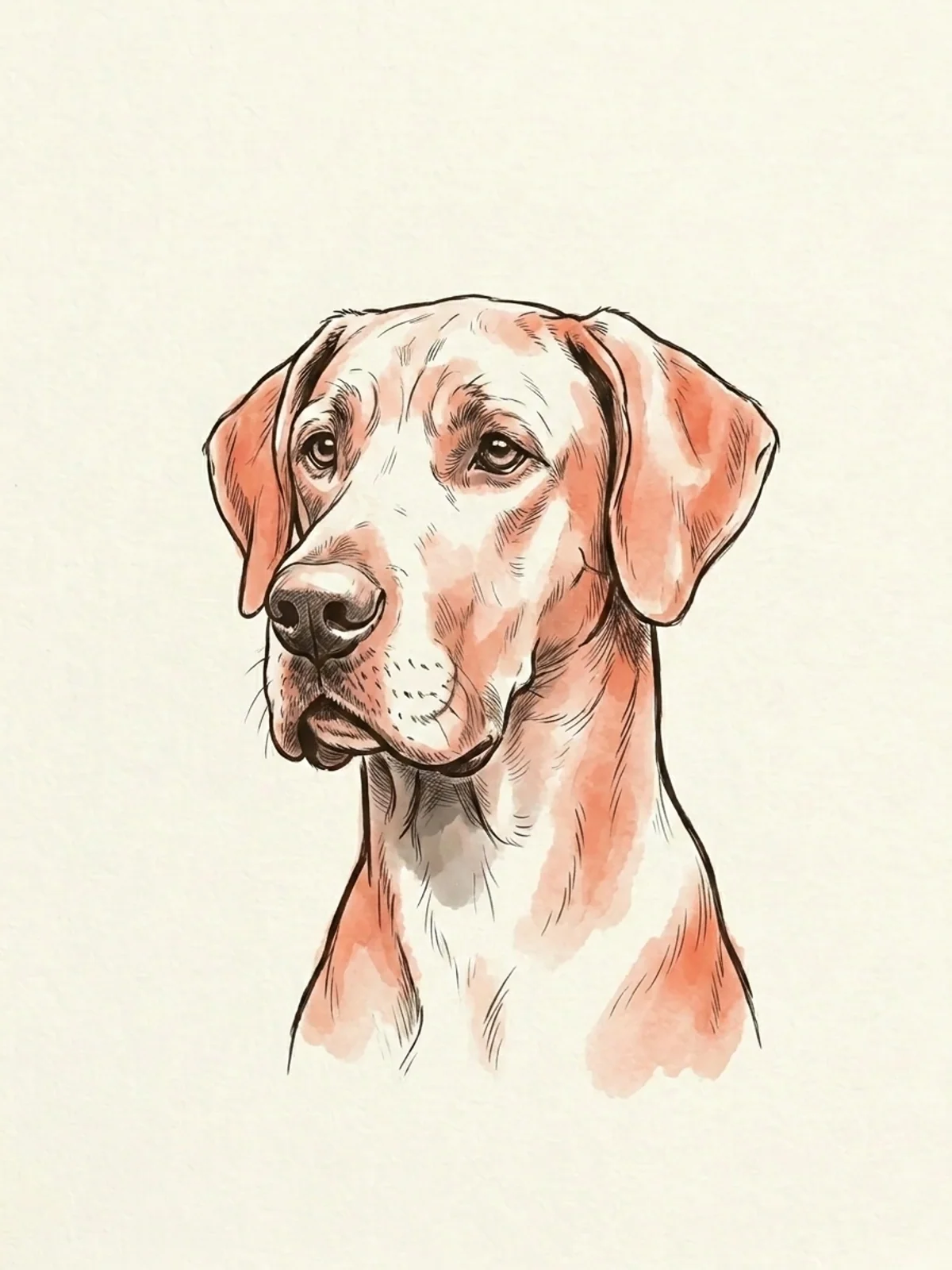
This is also why giant breeds like the Great Dane typically live 7 to 10 years while a Chihuahua often reaches 14 to 16. Same species, different growth hormone exposure, different aging clock.
Breed-specific outliers
Size class is the strongest predictor of senior onset, but it is not the only one. Some breeds cross the threshold earlier or later than their weight would suggest, and the reasons are worth knowing.
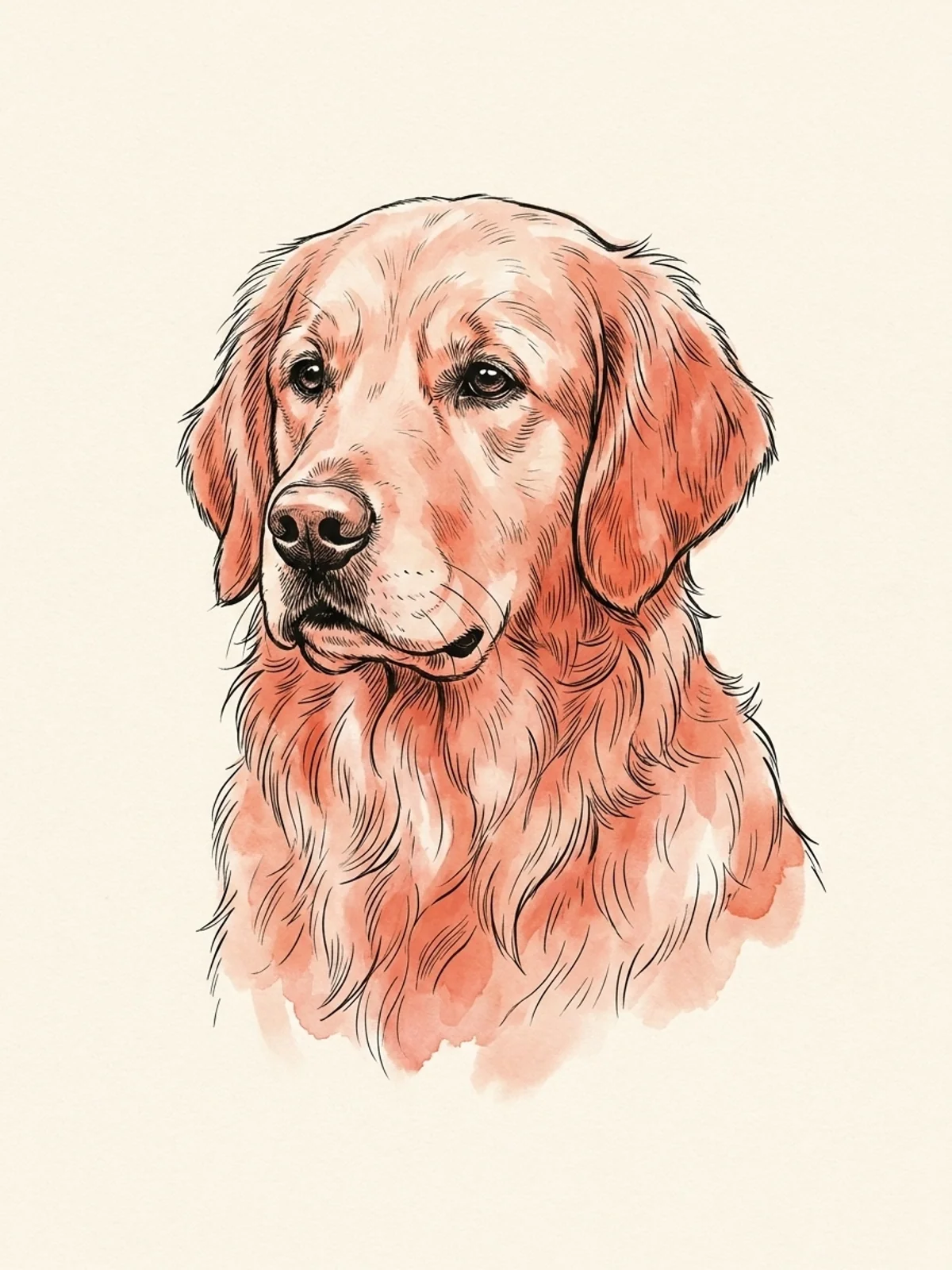
Golden Retrievers are a medium-large breed that the AAHA framework would put at senior around age 7. In practice many veterinarians start senior cancer screening at 7 because the breed’s cancer burden, documented in the Morris Animal Foundation Golden Retriever Lifetime Study, runs at 60 to 75 percent of all deaths. The size class predicts the threshold; the cancer rate makes catching it on time non-negotiable.
French Bulldogs are technically a small breed by weight, which would put senior age around 10. The reality is harsher. Vet Times reporting on the RVC VetCompass study put the lifespan of dogs with extreme brachycephalic conformation at 8.6 years against 12.7 for non-brachycephalic dogs. A Frenchie is effectively a senior by 6 or 7 because the airway and spinal burden compresses the entire timeline. Size class undersells the aging speed here.
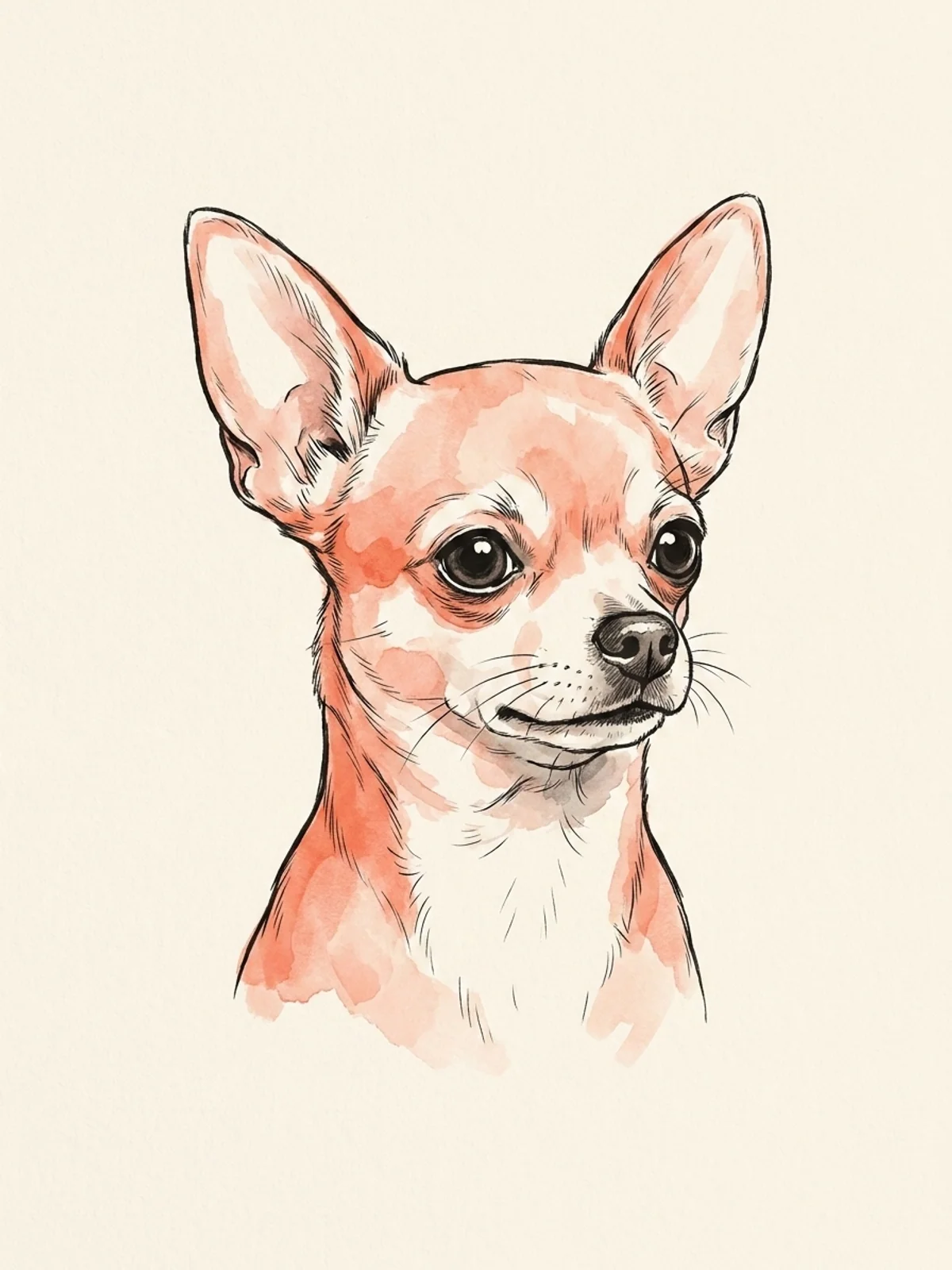
Chihuahuas run the other direction. A healthy Chihuahua often does not feel like a senior until 11 or 12 despite the AAHA threshold sitting at 10. The reason is the same biology working in reverse: low IGF-1 exposure, slow growth, less cellular wear. For the size-class breakdown behind those thresholds, see our guide to the average dog lifespan.
What changes when your dog becomes senior
Senior is a life stage, not a diagnosis. What it changes is the cadence of care.
The 2023 AAHA Senior Care Guidelines recommend moving from annual to twice-yearly veterinary exams once a dog crosses the senior threshold, with a full senior blood panel, urinalysis, and a careful joint and weight assessment at each visit. The reasoning is that early-stage kidney disease, thyroid shifts, splenic masses, and dental disease often look healthy on the outside and only show up on bloodwork.
Joint screening matters more in large and giant breeds, where osteoarthritis often arrives a year or two before the senior threshold itself. Body condition matters more in small breeds, where weight gain quietly shortens an otherwise long life.
None of this is alarming. Many dogs spend a full third of their lives as comfortable, happy seniors. The point of the size-class framework is to make sure that third starts with a vet visit rather than a surprise. The evidence-based steps for extending your dog’s lifespan apply on top of these size-class differences.
Every year counts.
See your dog’s real age with the calculator, which uses your breed’s size class to give you a number that is actually true for your dog.