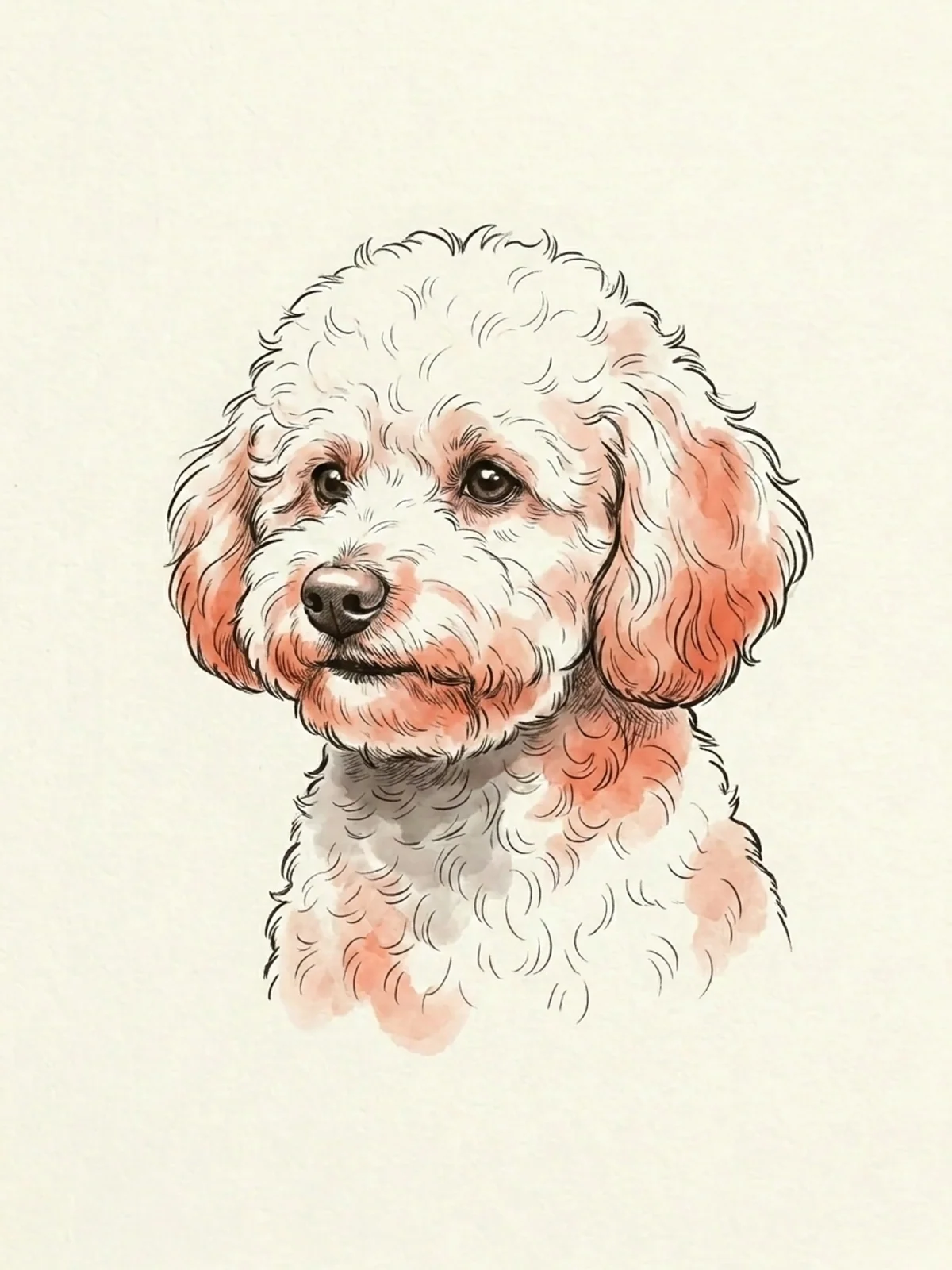
Bichon Frises live 14 to 15 years by the breed standard, with plenty of individuals reaching 16 or 17 in attentive homes. That alone would put them on the long side of small-dog longevity, but the picture is even stronger than the brackets suggest. When UK veterinary records were analysed for the largest breed-level life-table study ever published, the Bichon landed inside the top ten longest-lived breeds in the country. For a dog this size, the consistency of those numbers is unusual.
Key facts
- Typical lifespan: 14 to 15 years (American Kennel Club); ranks in the UK’s top ten longest-lived breeds (VetCompass life tables)
- No single dominant killer, unlike mitral valve disease in the Cavalier King Charles Spaniel
- Main health concerns: atopic dermatitis (allergic skin disease), calcium oxalate bladder stones, and middle-age cataracts
- Cancer rates run lower than in many similarly sized breeds
How long Bichons actually live
The AKC Bichon Frise breed profile lists 14 to 15 years, which lines up with what well-cared-for Bichons reach in practice. The more interesting confirmation comes from the VetCompass life-tables paper published in Scientific Reports, which followed more than 30,000 deceased dogs across UK primary-care practices. Bichons sat near the top of the breed rankings, with a median life expectancy comfortably above the all-breeds average and ahead of many similar small companions.
Two things explain the rank. The breed is small, and small dogs as a class outlive larger ones for reasons covered in the guide on why small dogs live longer. And the Bichon carries a relatively clean inherited-disease profile compared to other toy and small-breed companions. There is no single dominant killer pulling the median down the way mitral valve disease pulls down the Cavalier King Charles Spaniel. Most Bichons reach old age, and most reach it with their cognition and mobility largely intact.
That puts them in the same conversation as Maltese, Toy Poodles, and Miniature Schnauzers when people ask about the longest-living dog breeds. Sixteen years is common. Seventeen is unusual but reported often enough to be unremarkable in well-bred lines.
Why Bichons live so long
The breed descends from medieval water spaniels, the same Barbet stock that produced the Poodle, and was refined over several centuries as a court companion across French, Spanish, and Italian royal households. The name itself means “curly lapdog” in French. Centuries of selection for a small, sturdy companion with no working role, no extreme conformation, and no exaggerated traits left a dog with surprisingly few structural problems.
The Bichon is small without being a teacup, sturdy without being heavy, and moderate in every conformational dimension that tends to cause trouble in other breeds. There is no flat face to compress the airway, no long back to herniate, no oversized skull to crowd the brain. The single coat is dense and curly but sits over normal skin. The body plan is, in vet shorthand, boring in the best way.
Cancer rates also run lower in Bichons than in many breeds their size, though the picture is harder to pin down than for, say, Golden Retrievers. The combination of small size, moderate conformation, and a comparatively narrow gene pool from European companion stock seems to have spared the breed the major hereditary cancer clusters seen elsewhere.
The breed’s main health challenges
Three conditions account for most veterinary visits in Bichons. The first is atopic dermatitis, an inherited allergic skin disease. Bichons are over-represented in surveys of canine atopic dermatitis published in veterinary dermatology journals, including this PMC review of breed predispositions to allergic skin disease. The condition shows up as itchy paws, recurring ear infections, and red belly skin, usually starting between one and three years old. It is manageable but lifelong, and it is the reason a Bichon ownership budget should always include a dermatology line item.
The second is bladder stones, particularly calcium oxalate stones, which the Bichon Frise Club of America health page flags as one of the breed’s defining concerns. Bichons form stones more readily than most breeds, and the stones often require surgical removal. Diet and consistent water intake reduce risk, but the underlying predisposition is genetic.
The third is cataracts in middle age. Bichons develop juvenile and adult-onset cataracts at higher rates than the average breed, and the condition is screened for in responsible breeding programmes through the OFA Eye Certification Registry. Surgical correction is available and largely successful, but cost is significant and not every dog is a candidate.
Beyond those three, the breed picks up the usual small-dog concerns: dental disease from a crowded jaw, patella luxation, and the general fragility of small bones in households with stairs and sofas.
What actually extends a Bichon’s life
Genetics set the ceiling, and a buyer picking a puppy from health-tested parents has already done most of the work. Ask for OFA eye certificates on both parents, ask about allergies and skin disease in the line, and ask whether either parent has had bladder stones. Reputable Bichon breeders expect those questions.
After that, the routine is familiar from the broader guide on average dog lifespan and the practical advice in how to extend your dog’s lifespan. Keep the dog lean. Bichons hide weight under their coat better than almost any breed, so monthly hands-on rib checks matter more here than in shorter-haired dogs. Brush teeth. Maintain water intake to dilute urine and reduce stone risk. Treat allergic flares early rather than waiting for secondary infections.
Grooming deserves its own mention. The hypoallergenic single coat does not shed, which is part of the breed’s appeal for allergy sufferers, but mats form fast and tight against the skin. A matted Bichon is a Bichon in low-grade chronic discomfort, and severe matting can hide skin infections until they are advanced. Professional grooming every four to six weeks, plus regular home brushing, is part of the cost of the breed.
A Bichon from clean lines, kept lean, groomed properly, and monitored for skin and bladder issues should reach 15 or 16 with quality, and that is the typical outcome when the obvious things are done consistently.
See your Bichon’s real age with the calculator, which uses the small breed curve to give you a number that is actually true for your dog.